
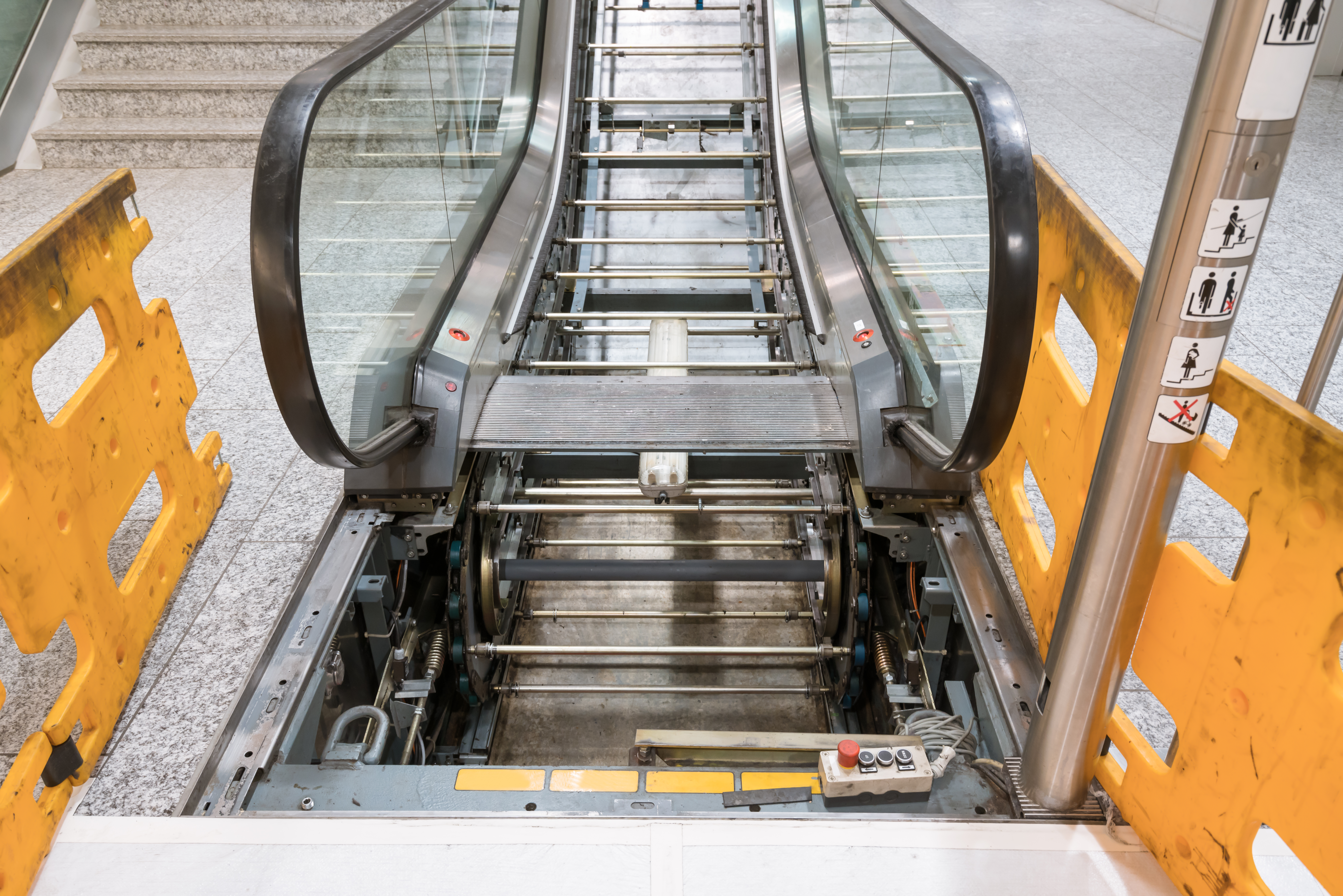
Escalators are everywhere, helping us effortlessly get between floors in shopping malls, airports, office buildings, and transit hubs. Yet, what many people don’t realize is that these mechanical marvels consist of thousands of moving parts, including steps, handrails, motors, and sensors, all of which demand meticulous care to function safely. When property owners cut corners on maintenance, the results can be catastrophic, turning a routine ride into a life-altering accident.
In this post, we’ll delve into the often-overlooked world of escalator upkeep, highlighting the vital role of routine inspections in accident prevention and the staggering financial repercussions. By understanding these hidden liabilities, victims gain insight into their legal options.
The Vital Role of Routine Inspections in Preventing Accidents
At the heart of escalator safety lies a commitment to regular, thorough inspections. Escalators aren’t just simple conveyor belts; they’re complex systems prone to wear and tear from constant use. Routine maintenance involves checking for issues like loose steps, frayed handrails, malfunctioning brakes, and faulty sensors that detect obstructions. These inspections, often mandated by building codes and industry standards, help identify potential problems before they escalate into hazards.
Without consistent upkeep, small issues can snowball. For instance, a worn-out chain or misaligned comb plate, the toothed section at the top and bottom where steps meet the floor, can cause entrapment, where clothing, shoes, or even body parts get caught. Similarly, neglected electrical components might lead to sudden jolts or stops, throwing riders off balance and resulting in falls. Proper maintenance is essential because escalators’ many moving parts degrade over time, and missing inspections heightens the risk of mechanical failures. In fact, negligence in routine checks and repairs directly contributes to preventable injuries, emphasizing that safety isn’t optional; it’s a legal and ethical imperative.
How Property Owners Overlook Maintenance and Invite Hidden Liabilities
Property owners, whether managing commercial spaces or public facilities, bear the primary responsibility for escalator safety under premises liability laws. This legal framework holds them accountable for maintaining a safe environment for visitors, including ensuring that escalators are free from foreseeable dangers. However, oversights are alarmingly common. Budget constraints, reliance on underqualified contractors, or simply complacency can lead to skipped inspections or delayed repairs. In high-traffic areas, where escalators endure heavy daily use, this neglect amplifies risks exponentially.
Common pitfalls include failing to address mechanical wear, such as eroded steps or defective emergency brakes, which are frequent culprits in accidents stemming from poor maintenance. Other issues arise from inadequate cleaning, allowing debris to jam mechanisms, or ignoring warning signs like unusual noises or vibrations. These hidden liabilities aren’t always visible to the untrained eye, but they create a ticking time bomb. For example, a lack of proper lubrication can cause overheating and failures, while ignored safety features, like missing side guards, expose users to entrapment risks.
What’s unique about escalator liabilities is their multifaceted nature. Beyond the property owner, maintenance companies or even manufacturers might share blame if design flaws or faulty installations contribute. Yet, the buck often stops with the owner, who must oversee contracts and ensure compliance. Overlooking these duties not only endangers the public but also opens the door to claims that property owners were aware, or should have been aware of, the risks.
The Severe Consequences: Negligence Claims and Multimillion-Dollar Settlements
When maintenance lapses lead to accidents, the fallout extends far beyond minor physical injuries. Victims may suffer broken bones, lacerations, traumatic brain injuries, or even amputations in severe entrapment cases. Under negligence laws, injured parties can pursue claims arguing that the property owner’s failure to maintain the escalator breached their duty of care. These claims fall under premises liability, where proving negligence, such as skipped inspections or ignored repair needs, can result in substantial compensation for medical bills, lost wages, pain, and suffering.
The financial stakes are high. Negligence in escalator maintenance has led to settlements reaching into the millions, reflecting the severity of injuries and the clear preventability of many incidents. Courts and insurers recognize that proper upkeep could have averted these tragedies, making defendants vulnerable to large payouts. Factors like the extent of injuries and the degree of negligence play into these outcomes.
Protecting Yourself and Seeking Justice
Escalator accidents highlight a broader lesson in responsibility. Property owners must prioritize routine inspections not as a chore, but as a safeguard against hidden liabilities. For those unfortunate enough to experience such an incident, understanding these dynamics is the first step toward accountability.
If you’ve been injured in an escalator accident due to suspected negligence, don’t navigate the complexities alone. Keith M. Davidson, founder of KMD Law, brings decades of experience in personal injury cases, helping victims secure the compensation they deserve. At KMD Law, we offer compassionate, expert guidance to investigate your claim, gather evidence, and advocate fiercely on your behalf.
Contact us today for a free consultation. Let us fight for your recovery.