
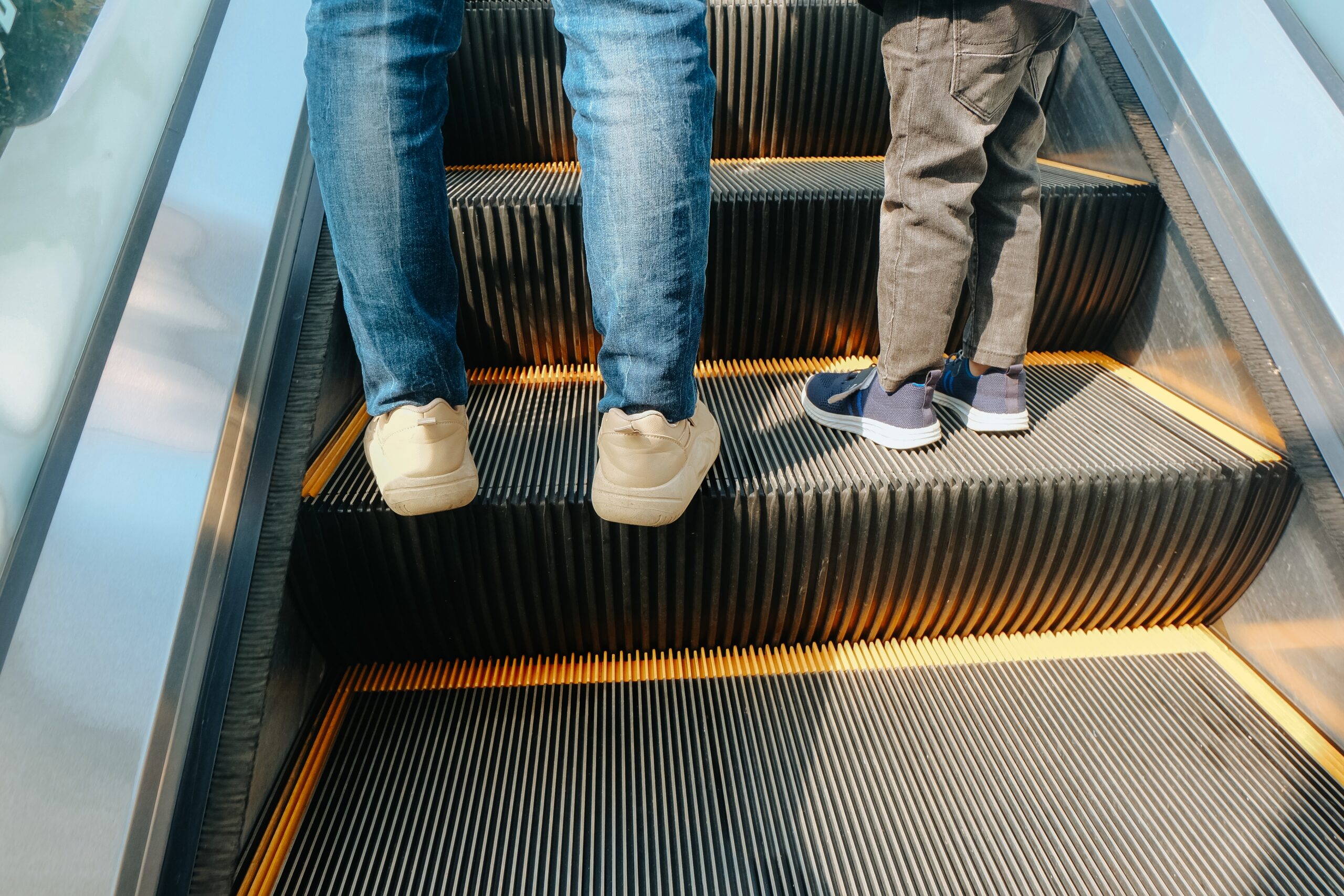
Escalators are a ubiquitous feature in shopping malls, airports, and public buildings, designed to make vertical travel efficient and convenient. However, for families with young children, these moving stairways can pose unexpected dangers. Every year, thousands of individuals suffer injuries on escalators, ranging from minor cuts to severe trauma that can alter their lives forever, thus highlighting the need for heightened awareness and legal safeguards.
This blog post explores the risks, legal protections available to children, parental rights in pursuing claims, and practical strategies for families seeking fair compensation after an accident. By understanding these elements, parents can better protect their little ones and navigate the complexities of the legal system if the worst happens.
Understanding the Risks: How Escalators Pose Dangers to Children
Children are particularly vulnerable to escalator accidents due to their natural curiosity, smaller size, and developing motor skills. Common injury mechanisms include falls and entrapment, where small hands, feet, or clothing get caught in the machinery. Soft tissue injuries like lacerations and bruises are the most frequent, but more severe outcomes, such as fractures, amputations, or head trauma, can occur, especially when children ride improperly by running, sitting, or playing on the steps.
Younger children often face heightened risks because their hands and feet are small enough to slip into gaps between steps or side panels. Additionally, improper use of strollers or carts on escalators contributes to injuries, often resulting in falls when a child slips out. These accidents aren’t just random; they frequently stem from a combination of child behavior, parental supervision, and potential negligence in escalator maintenance or design.
Legal Protections for Children in Escalator Accidents
Children benefit from robust legal protections under premises liability laws, which hold property owners (e.g., mall operators or building managers) responsible for maintaining safe environments. If an escalator malfunctions due to poor upkeep, such as faulty brakes, worn steps, or inadequate lighting, the owner may be liable for resulting injuries.
Special considerations apply to minors: statutes of limitations for personal injury claims are often tolled until the child reaches adulthood, giving families more time to file. Compensation can cover medical bills, rehabilitation, pain and suffering, and even future lost earnings if the injury causes long-term disability. In some jurisdictions, laws protect children from contributory negligence defenses, recognizing their limited judgment compared to adults. Federal and state child safety laws further bolster these protections, emphasizing the need for age-appropriate safeguards in public spaces.
Parental Rights in Pursuing Accident Claims
As legal guardians, parents have the right, and often the duty, to pursue claims on behalf of their injured child. This includes filing lawsuits against negligent parties, such as escalator manufacturers, maintenance companies, or property owners. Parents can seek damages for the child’s direct losses, though claims for parental emotional distress or loss of consortium vary by state and are sometimes limited.
If negligence is proven, parents can hold multiple parties accountable, maximizing recovery.
Strategies for Securing Fair Compensation for Families
Navigating a child injury claim requires a strategic approach to build a strong case.
- Start by documenting everything: take photos of the accident scene, the escalator, and injuries; gather witness statements; and obtain medical records promptly.
- Request maintenance and inspection logs from the property owner to prove negligence.
- Consult a personal injury attorney early to evaluate liability and counter insurance tactics like lowball offers or blame-shifting. For children, emphasize long-term impacts, such as ongoing therapy or educational disruptions.
- Avoid signing anything from insurers without legal review, and consider expert testimony on escalator safety standards to strengthen your position.
While escalators offer convenience, prioritizing child safety through awareness and adherence to guidelines can prevent many tragedies. If an accident does occur, knowing your legal protections and rights empowers families to seek justice. At KMD Law, Keith M. Davidson brings decades of experience in personal injury cases, including those involving escalator accidents.
If your child has been injured, contact us today for a free consultation. We’ll guide you through the process, fight for the compensation your family deserves, and help ensure negligent parties are held accountable. Don’t navigate this alone; let our expertise support your recovery.